Saturday, March 21, 2020

Get Your Home Ready The Centers for Disease Control and Prevention (CDC) CORONAVIRUS COVID-19

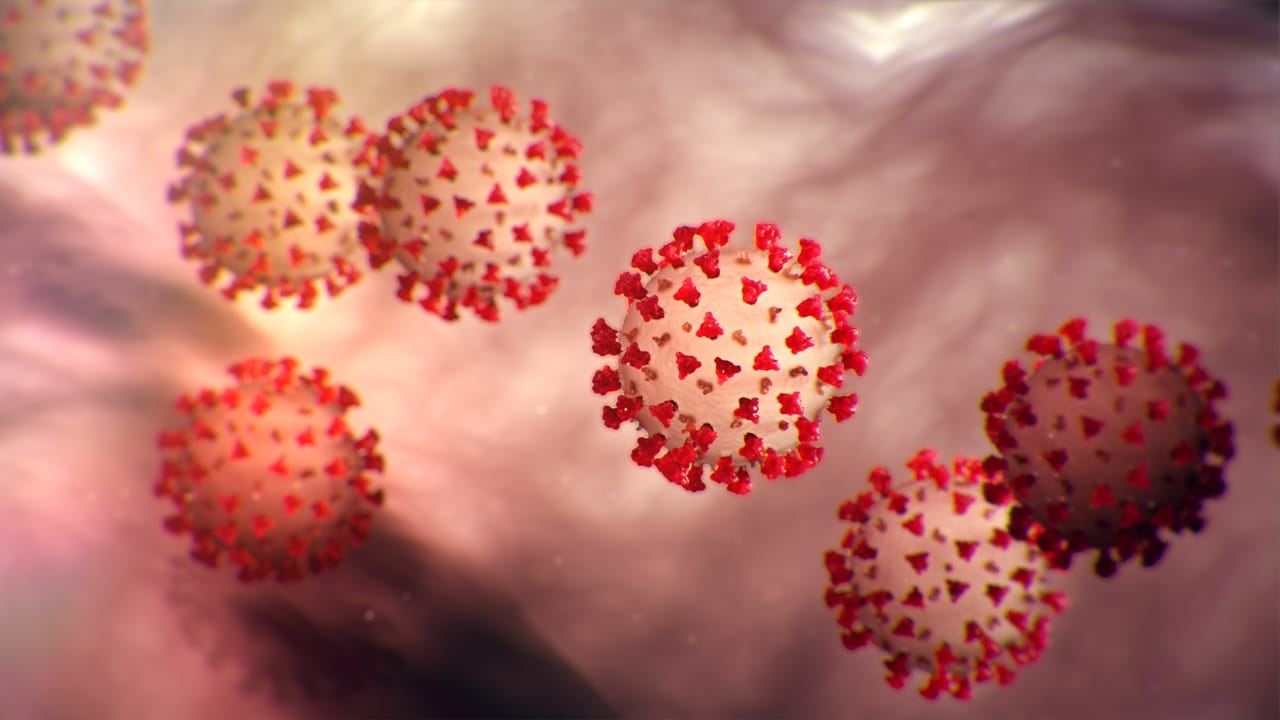
Image result for coronavirusThis interim guidance is to help household members plan for community transmission of coronavirus disease 2019 (COVID-19) in the United States. The Centers for Disease Control and Prevention (CDC) encourages household members to prepare for the possibility of a COVID-19 outbreak in their community.
COVID-19 is caused by a new virus. There is much to learn about its transmissibility, severity, and other features of the disease. We want to help everyone prepare to respond to this public health threat.

Create a household plan of action

Image result for coronavirus
check icon
Talk with the people who need to be included in your plan. Meet with household members, other relatives, and friends to discuss what to do if a COVID-19 outbreak occurs in your community and what the needs of each person will be.
check icon
Plan ways to care for those who might be at greater risk for serious complications. There is limited information about who may be at risk for severe complications from COVID-19 illness. From the data that are available for COVID-19 patients, and from data for related coronaviruses such as SARS-CoV and MERS-CoV, it is possible that older adults and persons who have underlying chronic medical conditions may be at risk for more serious complications. Early data suggest older people are more likely to have serious COVID-19 illness. If you or your household members are at increased risk for COVID-19 complications, please consult with your health care provider for more information about monitoring your health for symptoms suggestive of COVID-19. CDC will recommend actions to help keep people at high risk for complications healthy if a COVID-19 outbreak occurs in your community.
check icon
Get to know your neighbors. Talk with your neighbors about emergency planning. If your neighborhood has a website or social media page, consider joining it to maintain access to neighbors, information, and resources.
check icon
Identify aid organizations in your community. Create a list of local organizations that you and your household can contact in the event you need access to information, health care services, support, and resources. Consider including organizations that provide mental health or counseling services, food, and other supplies. >>>>READ MORE

Subscribe to Biztalk and Jobs via Email
Become a fan Biztalk and Jobs in Facebook
Follow me on Twitter
Blog Links:
Health and Wellness
The Leader
ACTRESS @ CELEBRITIES PHOTOS
Young and Adult Sexual Reprouctive Health
Organic Farming
Sunday, January 12, 2020

DANGER OR RISK ON WIFI


Image result for hazard ON WIFI

1. WiFi Can Cause Insomnia

If you are struggling to get to sleep, or suffer from disturbed sleep during the night, chances are your WiFi may be to blame.
People who use WiFi before going to bed frequently complain that they suffer from insomnia. Studies have shown that exposure to EMF radiation from WiFi networks can significantly affect sleep patterns, and long-term exposure could lead to further problems associated with lack of sleep, including hypertension and depression. READ MORE>>>>>
SOURCE: DefenderShield


OTHER SOURCE CLICK THE VIDEO ABOVE

Subscribe to Biztalk and Jobs via Email
Become a fan Biztalk and Jobs in Facebook
Follow me on Twitter
Blog Links:
Health and Wellness
The Leader
ACTRESS @ CELEBRITIES PHOTOS
Young and Adult Sexual Reprouctive Health
Organic Farming

Sunday, December 22, 2019

BIPOLAR DISORDER

Symptoms

There are several types of bipolar and related disorders. They may include mania or hypomania and depression. Symptoms can cause unpredictable changes in mood and behavior, resulting in significant distress and difficulty in life.
  • Bipolar I disorder. You've had at least one manic episode that may be preceded or followed by hypomanic or major depressive episodes. In some cases, mania may trigger a break from reality (psychosis).
  • Bipolar II disorder. You've had at least one major depressive episode and at least one hypomanic episode, but you've never had a manic episode.
  • Cyclothymic disorder. You've had at least two years — or one year in children and teenagers — of many periods of hypomania symptoms and periods of depressive symptoms (though less severe than major depression).
  • Other types. These include, for example, bipolar and related disorders induced by certain drugs or alcohol or due to a medical condition, such as Cushing's disease, multiple sclerosis or stroke.
Bipolar II disorder is not a milder form of bipolar I disorder, but a separate diagnosis. While the manic episodes of bipolar I disorder can be severe and dangerous, individuals with bipolar II disorder can be depressed for longer periods, which can cause significant impairment.
Although bipolar disorder can occur at any age, typically it's diagnosed in the teenage years or early 20s. Symptoms can vary from person to person, and symptoms may vary over time.

Mania and hypomania

Mania and hypomania are two distinct types of episodes, but they have the same symptoms. Mania is more severe than hypomania and causes more noticeable problems at work, school and social activities, as well as relationship difficulties. Mania may also trigger a break from reality (psychosis) and require hospitalization.
Both a manic and a hypomanic episode include three or more of these symptoms:
  • Abnormally upbeat, jumpy or wired
  • Increased activity, energy or agitation
  • Exaggerated sense of well-being and self-confidence (euphoria)
  • Decreased need for sleep
  • Unusual talkativeness
  • Racing thoughts
  • Distractibility
  • Poor decision-making — for example, going on buying sprees, taking sexual risks or making foolish investments   READ MORE:>>>>>
SOURCE: BIPOLAR DISORDER SYMPTOMS

Subscribe to Biztalk and Jobs via Email
Become a fan Biztalk and Jobs in Facebook
Follow me on Twitter
Blog Links:
Health and Wellness
The Leader
ACTRESS @ CELEBRITIES PHOTOS
Young and Adult Sexual Reprouctive Health
Organic Farming
Related Posts Plugin for WordPress, Blogger...